Against Dehumanization: A Call
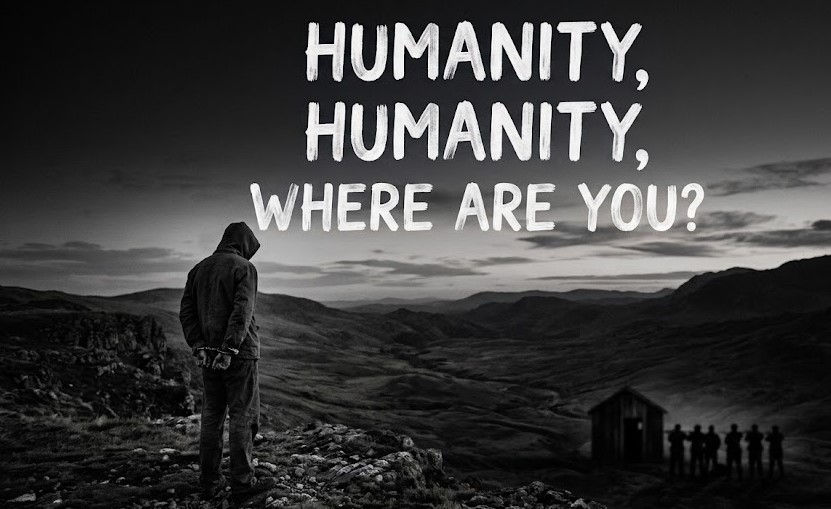
We cannot remain unmoved by the news that a man on death row is to be executed by firing squad on a live stream. He has a name, a family, a life story, and a death sentence for mass murder. He is a human being of flesh and blood, body and soul, like me, like anyone reading these words. He possesses that Magnifica Humanitas—the profound dignity of being human—which endures regardless of the evil a person may have committed
Di Primavera Fisogni
Non si può restare indifferenti alla notizia della fucilazione di un condannato a morte in diretta streaming. Un uomo che ha un nome (Nidal Hasan), una famiglia, una storia e una condanna alla pena capitale per strage. Una persona di carne, sangue, anima, come me, come chi legge, dotata di quella Magnifica Humanitas (Leone XIV, 2026) che persiste, sempre, al di là di qualsiasi atto malvagio commesso.
Dieci anni fa, quando lo Stato Islamico terrorizzava il mondo, sembrava di essere arrivati a un punto di non ritorno per quanto riguarda il livello di crudeltà raggiunto. Pubbliche crocifissioni, prigionieri in tute carcerarie costretti a camminare in manette lungo una spiaggia meravigliosa, alla luce di un tramonto da film, fino al luogo dell’esecuzione, oppure soffocamento in acqua. Riprese tv, telecamera onnipresente, sequenze rilanciate sui social, cliccate con milioni di visualizzazioni. È storia di ieri. Ora che negli Stati Uniti l’amministrazione si prepara a fucilare un uomo con tanto di copertura televisiva pubblica, non soltanto alla presenza dei familiari delle vittime (prerogativa prevista dalla legge), viene da chiedersi se non sia arrivato il momento di innalzare argini di umanità. La sensazione, se ci si ferma un minuto a riflettere, non lasciando che tutto scorra nel flusso informativo, è proprio nella mancanza di “sentire” a fronte della “sensazione”, svuotata del suo contenuto di carne e sangue, in una torsione verso il “sensazionale”. La radice di queste parole è la stessa. L’area semantica abbraccia invece opposte polarità, tra empatia e indifferenza.
Però vale la pena fare qualche distinguo.
La brutalità della guerra seguita all’attacco della Russia all’Ucraina e la devastazione della Striscia di Gaza, quale risposta dello Stato di Israele alla strage del 7 ottobre 2023 continuano a disturbarci; avvertiamo, più o meno, il disagio delle famiglie al gelo o dei bambini senza il minimo per la sopravvivenza, privati della speranza dalle ragioni (?) dell’odio. Un terrorista colpevole di strage o una condannata alla pena capitale perché da adolescente ha commesso un delitto con modalità spietate sembrano arrivare molto meno al centro della coscienza degli spettatori.
Colpisce, nel flusso ininterrotto dei social network, non vedere un post di disapprovazione o semplicemente di disgusto. Mente e pancia sono organi giudicanti, ciascuno a modo suo.
In fondo, si può replicare, “quelli se la sono cercata”. Laddove vige ancora la pena di morte – e questo purtroppo succede negli Stati Uniti, tutt’ora considerati avanguardia della democrazia dal senso comune – la possibilità di finire davanti al boia è radicata nella legge.
In realtà, qui non è la giustizia ad imporsi, quanto piuttosto il marketing, perché si avvicinano le elezioni di metà mandato e, insieme con la promessa di un pugno di dollari nelle tasche dei contribuenti (da parte del presidente Trump), si è pensato di fare il botto con lo spettacolo della morte. In un passato non molto lontano, le esecuzioni nella pubblica piazza avevano la funzione, per così dire pedagogica, di mettere in guardia dal commettere un crimine. Di fatto, si erano presto trasformate in spettacoli da baraccone. Saltimbanchi, bancarelle, musici e ballerini arrivavano puntuali all’incontro con sorella morte corporale; c’era sempre chi faceva business. Allora come oggi. In Israele, la scorsa estate, è stata propagandata la costruzione della “forca” per l’impiccagione dei condannati a morte da parte del ministro della Sicurezza nazionale, dopo che il 17 maggio il locale parlamento ha approvato la Death Penalty for Terrorists Law. I cattivi meritano di essere puniti. Mettiamoci una pietra sopra. O una pietra al collo. O una pallottola nel cuore. Ma è davvero così?
C’è da notare un aspetto che partecipa alla costruzione dell’indifferenza morale, con conseguente calo di indignazione verso ogni forma di crudeltà. Lo si rinviene nel contagio prodotto dal mondo digitale. Un contagio costante, purtroppo, anche in ambito morale. Succede che l’intelligenza artificiale, nelle sue molteplici espressioni e nei suoi impenetrabili processi di sostituzione all’umano, abbia oggi sostituito l’antropologia come problema. Lasciando scorrere Linkedin, ad esempio, è impressionante quanti eventi e pubblicazioni riguardino l’intelligenza artificiale e quanto scarne, per non dire inesistenti, siano le stesse opportunità di pensiero applicate all’umano. Non c’è da meravigliarsi se il silenzio assordante sul diritto alla vita ottunde le coscienze.
Quanto alla colpa, per quanto gravissima di cui ci si può macchiare, resta aperta la domanda più radicale: può una persona avere diritto di morte su un’altra?
E se persino il Dio della Bibbia tutela l’integrità del malvagio (“Nessuno tocchi Caino”, Gn 4,15), il punto è forse un altro. Riguarda, come ha scritto anche per Rekh Magazine frère Jean-Joseph Hounsa, il Quoziente di Umanità che vogliamo vederci assegnato. Sempre che non finiamo per assegnarlo ancora una volta all’intelligenza artificiale, delegando ad essa il pensiero dell’umano.
Chi è l'autrice
Primavera Fisogni, giornalista e filosofa, PhD in Metafisica, è autrice di oltre 200 articoli internazionali peer-reviewed, in gran parte dedicati all'agire eversivo, al jihadismo, all'antropologia nella prospettiva del pensiero sistemico. Ha fondato e dirige l'hub editoriale ibrido (digitale e cartaceo) REKH MAGAZINE (quadrimestrale Rekh Magazine Papers, collana di saggi Rekh Magazine Stories).
English text
We cannot remain unmoved by the news that a man on death row is to be executed by firing squad on live television. He has a name (Nidal Hasan), a family, a life story, and a death sentence for mass murder. He is a human being of flesh and blood, body and soul, like me, like anyone reading these words. He possesses that Magnifica Humanitas—the profound dignity of being human—which endures regardless of the evil a person may have committed.
Ten years ago, when ISIS was terrorizing the world, it seemed we had reached a point of no return in the sheer brutality humanity was capable of inflicting. Public crucifixions. Prisoners in prison uniforms, handcuffed and forced to walk along a stunning beach beneath a picture-perfect sunset, toward the place where they would be executed. Others suffocated underwater. Television cameras captured it all; the footage was circulated across social media, racking up millions of views. It all happened only yesterday.
Now, as the US administration prepares to execute a man by firing squad, with the added prospect of the execution being televised publicly—not merely witnessed by the victims’ families, as the law permits—we have to ask ourselves whether it is time to draw some lines in defence of our shared humanity.
If we stop for a moment to reflect, rather than allowing everything to wash over us in the relentless flow of information, what becomes apparent is the loss of feeling in the face of mere sensation: something once rooted in flesh and blood has been emptied of its human substance, transformed into a spectacle designed to shock. The words sensation and sensational share the same root, yet they point in opposite directions when it comes to how we respond to what we see: toward empathy, or toward indifference.
Still, some distinctions are worth making.
The brutality of the war that followed Russia’s invasion of Ukraine, and the devastation of the Gaza Strip in Israel’s response to the October 7, 2023 massacre, continue to disturb us. To varying degrees, we feel the anguish of families left out in the freezing cold and of children deprived of even the bare necessities for survival, robbed of hope in the name of hatred—or so the supposed justifications for that hatred would have us believe.
Yet a terrorist responsible for mass murder, or a woman sentenced to death for a merciless crime committed when she was a teenager, seems to touch the conscience of those watching far less deeply.
What is striking, amid the unceasing stream of social media posts, is the failure to find even one expressing disapproval—or simply disgust. Both mind and gut pass judgment, each in its own way.
After all, one might argue, “They brought it on themselves.” In countries where the death penalty remains in force—and, sadly, that includes the United States, still widely regarded in the popular imagination as a leading democracy—the possibility of ending up on death row is written into the law.
But here, it is not so much justice that is taking centre stage as marketing. With the midterm elections approaching, and President Trump promising to put a few extra dollars in taxpayers’ pockets, someone has decided that the spectacle of death might be just the thing to make a splash.
Not so long ago, public executions were supposed to serve an educational purpose, deterring people from committing crimes. In practice, they soon degenerated into little more than carnival sideshows. Acrobats, market stalls, musicians and dancers would turn up, right on cue, for their appointment with Sister Death. There was always someone ready to make money out of it. Then, just as now.
In Israel, last summer, the minister of national security publicly promoted plans to build a gallows for the execution of those sentenced to death, following parliament’s passage of the Death Penalty for Terrorists Law on May 17.
The wicked deserve to be punished. Case closed. Let’s bury the matter. Or put a stone around someone’s neck. Or a bullet through their heart.
But is it really that simple?
There is another factor to consider, one that contributes to the erosion of our moral sensibilities and, with it, our capacity for outrage at cruelty in all its forms: the contagion of the digital world. It is a constant contagion, and, unfortunately, morality is not immune.
Artificial intelligence, in its many forms and through its opaque processes of replacing human activity and human judgment, has now displaced the question of what it means to be human—the very concern at the heart of anthropology. Scroll through LinkedIn, for example, and it is striking how many events and publications focus on artificial intelligence, while opportunities to reflect on human beings themselves are few and far between, if they exist at all.
It is hardly surprising, then, that the deafening silence surrounding the right to life should gradually numb our consciences.
As for guilt, however grave the crime a person may have committed, one fundamental question remains: Can one human being ever have the right to take another’s life?
And if even the God of the Bible protects the life of the wicked—“Let no one lay a hand on Cain”—perhaps the real question lies elsewhere.
It concerns what Brother Jean-Joseph Hounsa, writing in Rekh Magazine, has called the Humanity Quotient: the measure of our humanity that we wish to be recognised as possessing.
That is, unless we end up assigning that measure to artificial intelligence itself, delegating to machines the very task of thinking about what it means to be human.


Comments